
Three Years of Rufus Stone
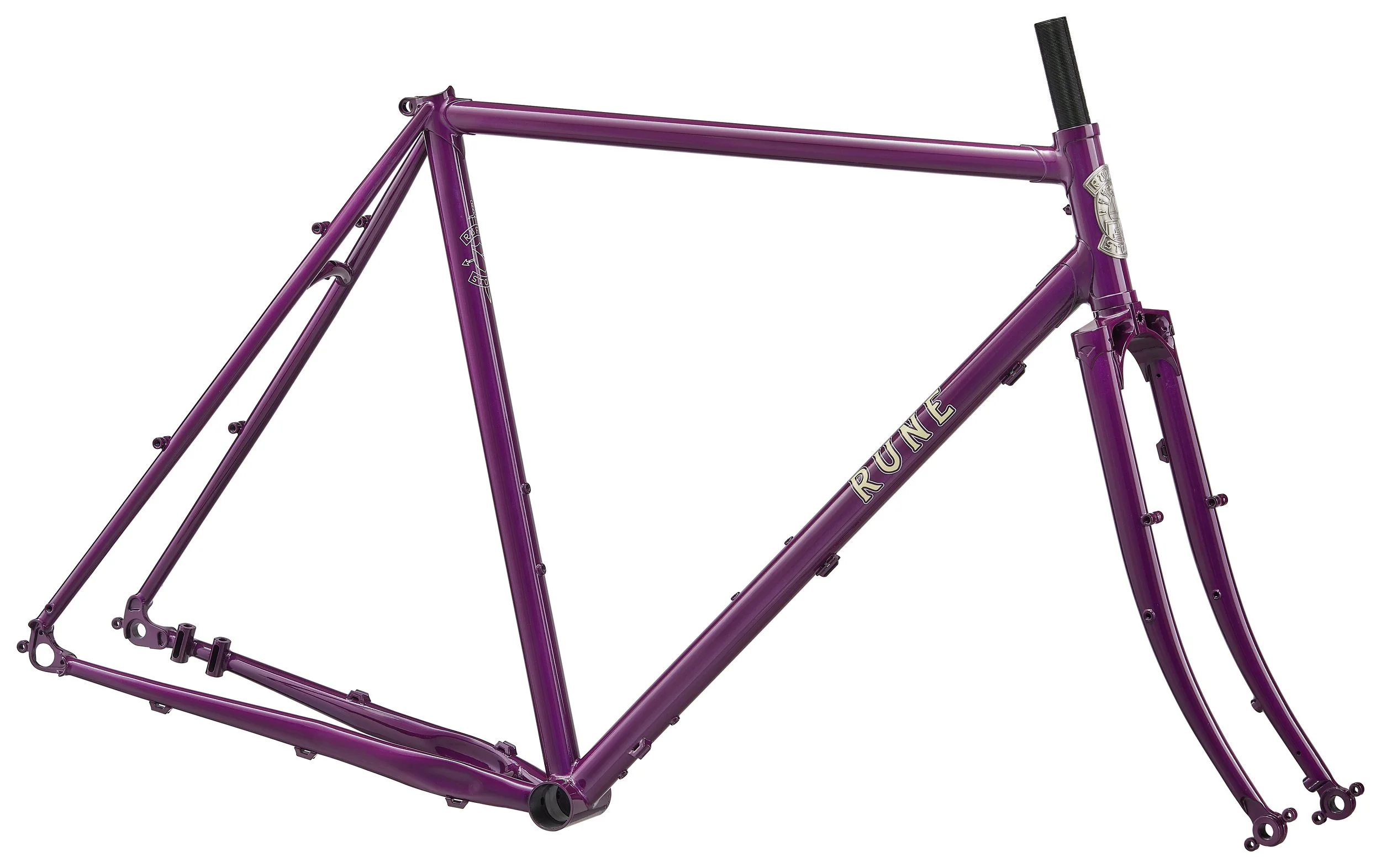
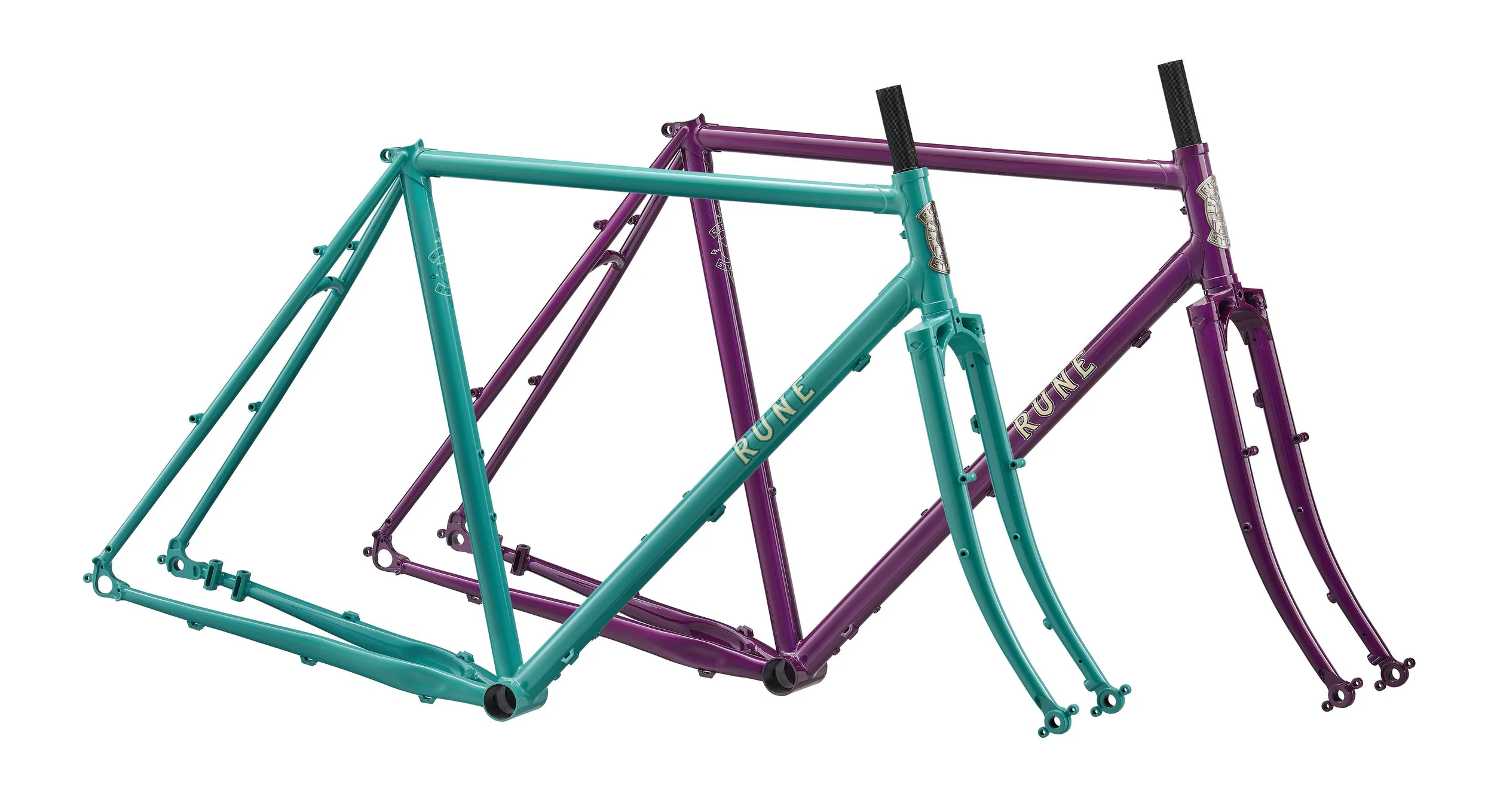
What started as an idea three years ago has now become our flagship frame. The Rufus Stone is where it all began for Rune, and with the launch of the new colours, I thought it would be a good time to look back at where the frame came from and how it was conceived. It might not be a classic in the wider world of bikes, but for Rune, the Rufus Stone set the stage for what we were about and how we wanted to be seen within the market.
What started as a new interest for me around 2016 quickly turned into another obsession. After spending 25 years consumed by BMX and everything that came with it, I think I was looking for something new to sink my teeth into. Riding bikes had always been the main obsession, but running closely alongside that was a love for the bikes themselves.
For me, how a bike looks is just as important as how it rides. If everything doesn’t work together visually, then the enjoyment I get from riding it simply isn’t the same. There’s probably some borderline OCD at play there, but when everything feels right, the amount of joy that comes from riding the bike is on a completely different level.
Having spent time in the bike industry designing parts and working closely with factories, it wasn’t long before I started looking around to see what this side of cycling had to offer. I knew there was an alternative scene out there, but it felt like there were only a handful of brands supporting it, something for people in that space to really get behind and be excited about.
At the same time, I was looking for a bike for myself, and when you’re as particular as I am, that’s never an easy task. It wasn’t long before the idea started to form that maybe I could offer something of my own, build the kind of bike I wanted to ride and, hopefully, create something that other people would be drawn to as well.
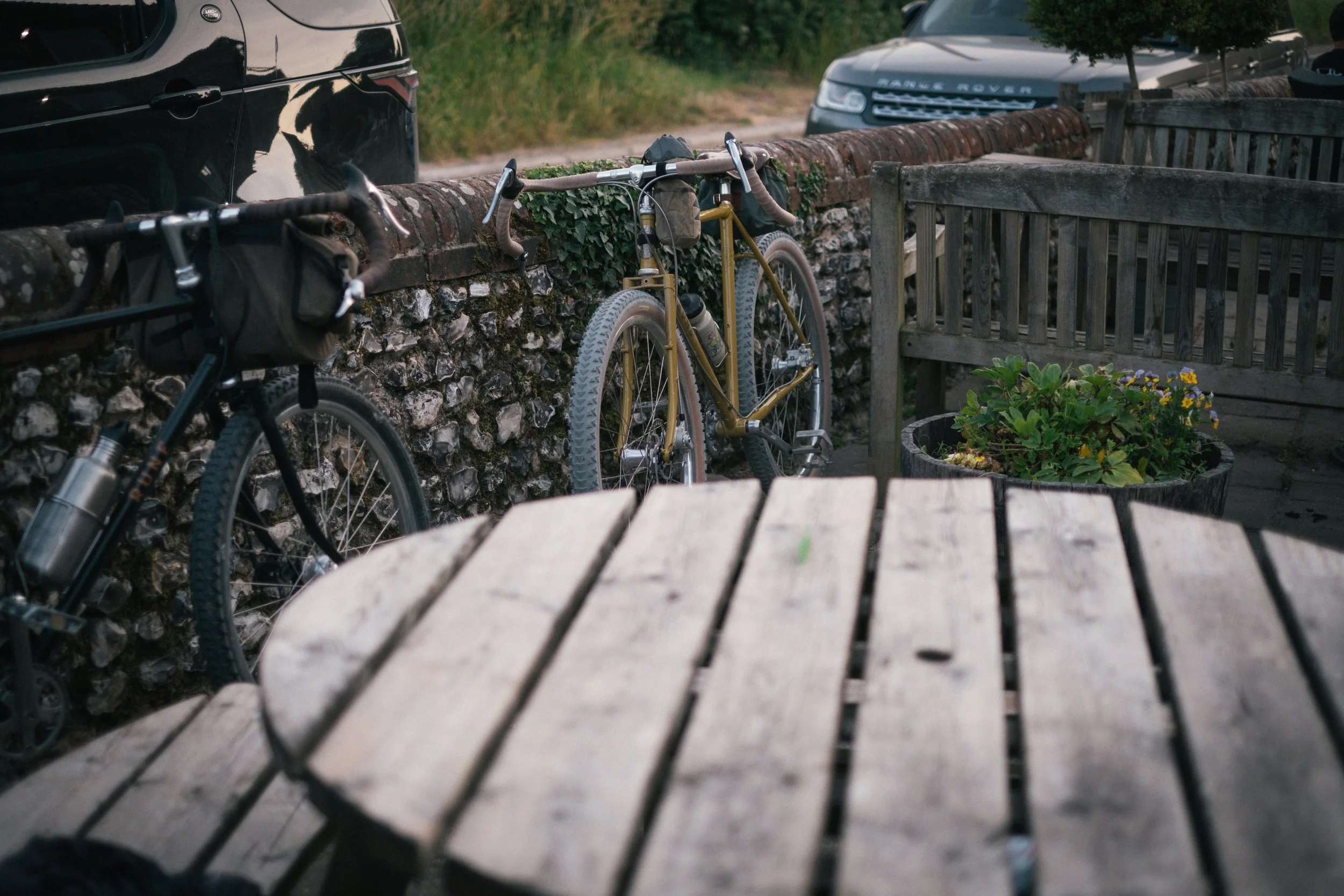
I’d tried a few different bikes, but eventually settled on an old Rockhopper. It was simple, could fit a decent-sized tyre, had a quill stem, and was easy to get hold of. By this point, I was already working on Rune, and I’ll be honest part of me thought I could just ride that bike and be perfectly happy. But the itch to create something of my own was already there.
I wanted a bike that blended modern functionality with classic aesthetics. Something that felt timeless rather than trend-driven. A bike that someone could buy and feel connected to not just because of the bike itself, but because they were supporting a brand built by people who genuinely lived and breathed bikes. Most importantly, I wanted it to be a bike that could stay with someone for as long as their legs wanted to keep turning the pedals.
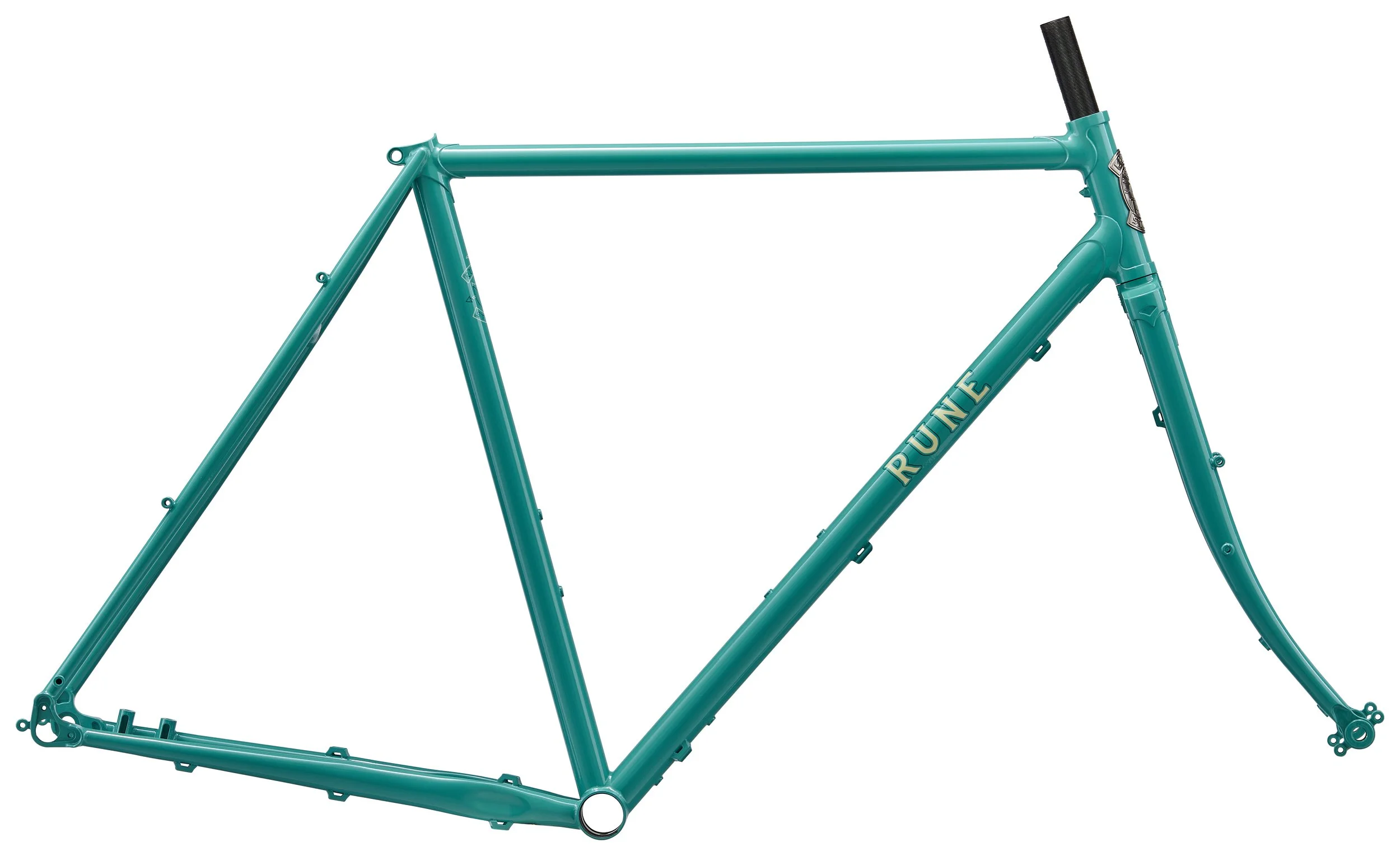
You need a few baseline principles for any design. For the Rufus Stone, those were a horizontal top tube, lugged construction, a quill stem, and clearance for 2.3-inch tyres. Once those foundations are in place, you can start working on the geometry and deciding how you want the bike to handle.
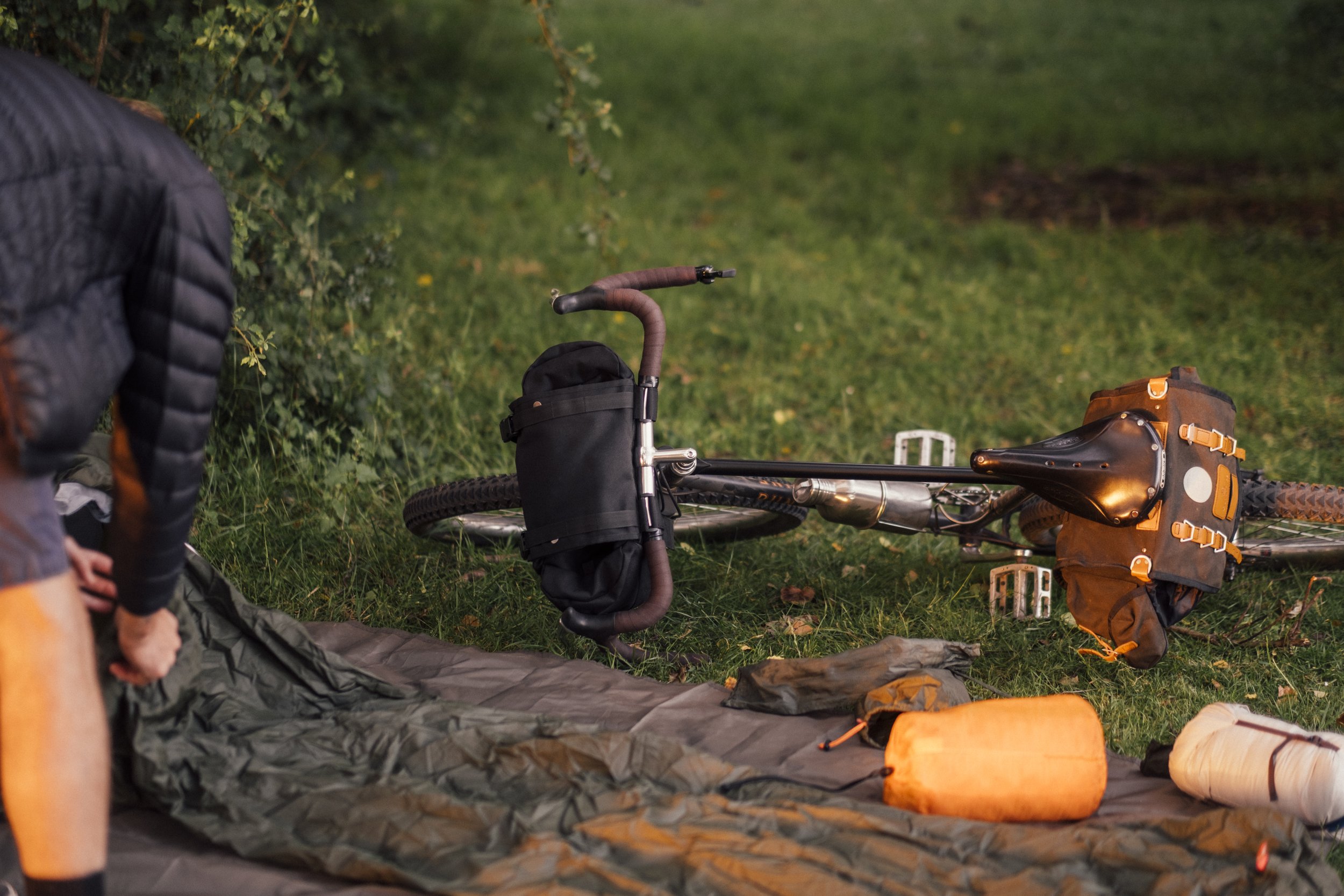
I wanted the Rufus Stone to ride well when loaded up, but without feeling sluggish or unresponsive when stripped back for everyday riding. A mid-trail front end paired with a middle-of-the-road chainstay length helped it land right in that sweet spot. It handles beautifully with a heavy front load, yet the front wheel still feels planted and responsive when you’re travelling light and heading out for a quick spin through the woods.
Once your non-negotiables are set in stone and the geometry is where you want it, all the other pieces start to fall into place. It’s one of the most enjoyable parts of designing a bike from scratch working out what needs to go where and then watching it all come together in a finished product.
Waiting for that first sample can be pretty nail-biting, wondering whether everything has come out the way you imagined. There’s almost always something you want to tweak, but that’s part of the process. Often, one detail ends up turning out better than expected, despite hardly getting any attention during the design phase.
It’s one aspect of design that you almost have to let take on a life of its own. You’re not so much controlling it as guiding it along, acting more like a shepherd than a dictator.
We probably spent the best part of a year working on the Rufus Stone, ironing out all the details before committing to tooling and ordering the first samples. And before any of that, the bike had been living in my head for much longer.
Building that first sample and realising it was exactly what I’d hoped it would be is a feeling I still relive more than three years later every time I pull mine out of the garage and take it for a rip. That’s probably the biggest compliment I can give the bike.
The new Rufus Stone colours are on their way, and we’re incredibly stoked that more people are going to get the chance to throw a leg over the frame that started it all for Rune.